Match Width to Playing Time
Narrower straps suit short sessions and light instruments. Wider designs spread weight across the shoulder, which can help during long rehearsals or standing performances.
Fretavine Studio Notes
A practical guide to choosing a guitar strap that feels balanced, stays comfortable, and suits the way you actually play.
Selection guide
Narrower straps suit short sessions and light instruments. Wider designs spread weight across the shoulder, which can help during long rehearsals or standing performances.
Different textures feel different against clothing. Compare the strap finish and how it moves as you play.
Confirm the strap adjusts to your preferred playing height and fits your instrument's attachment points. A quick fit check before playing saves distraction later.
The collection
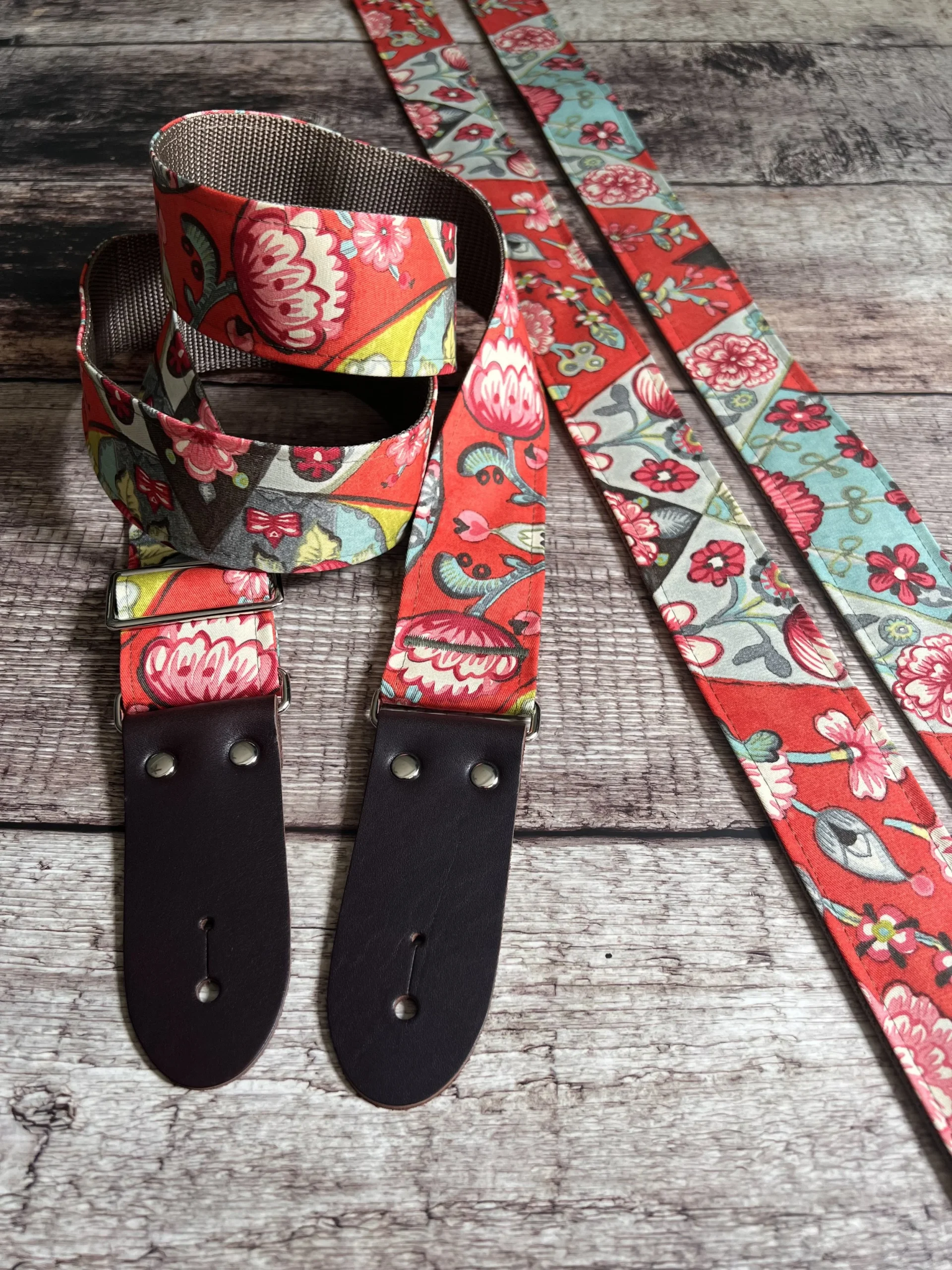
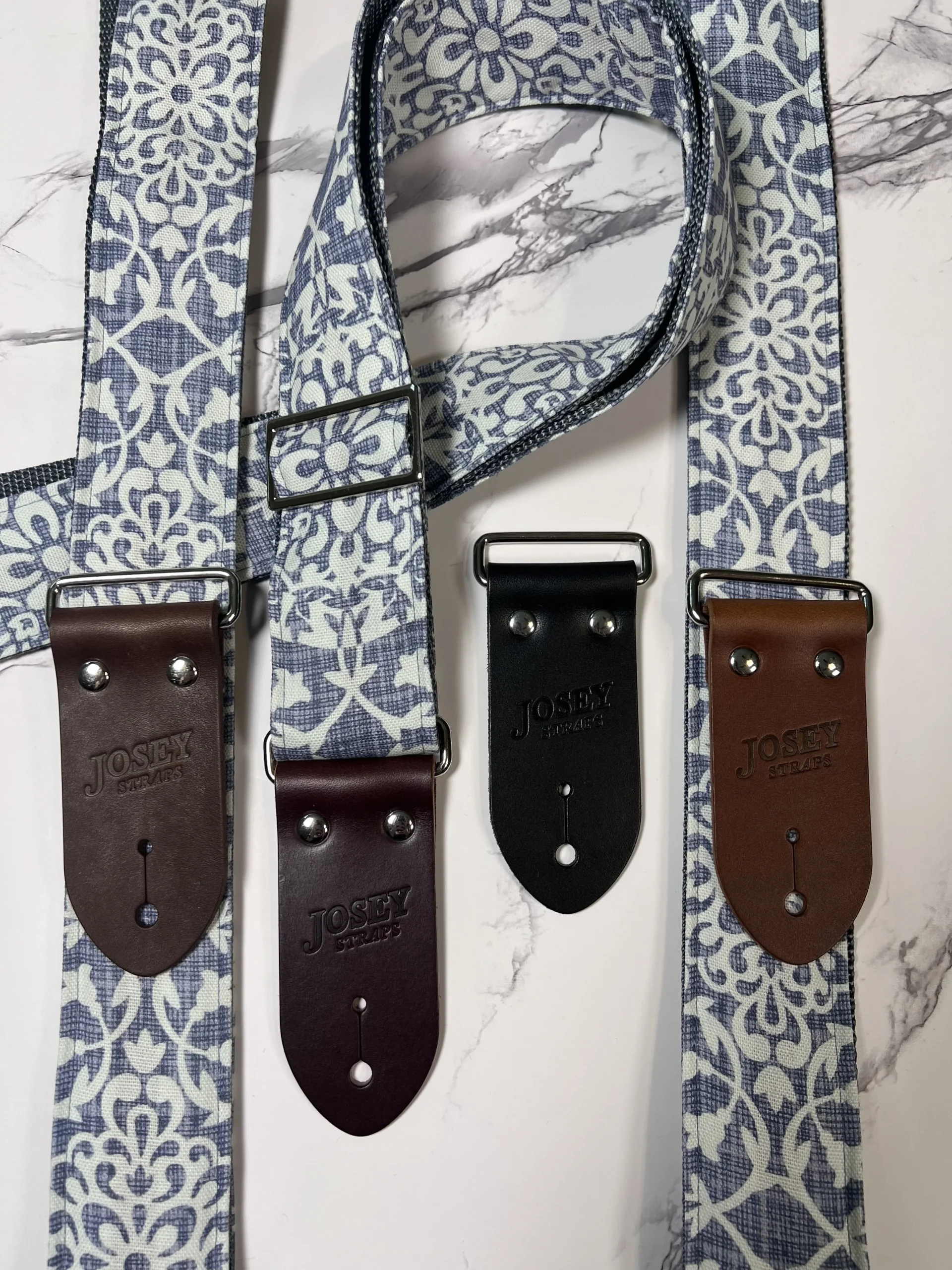
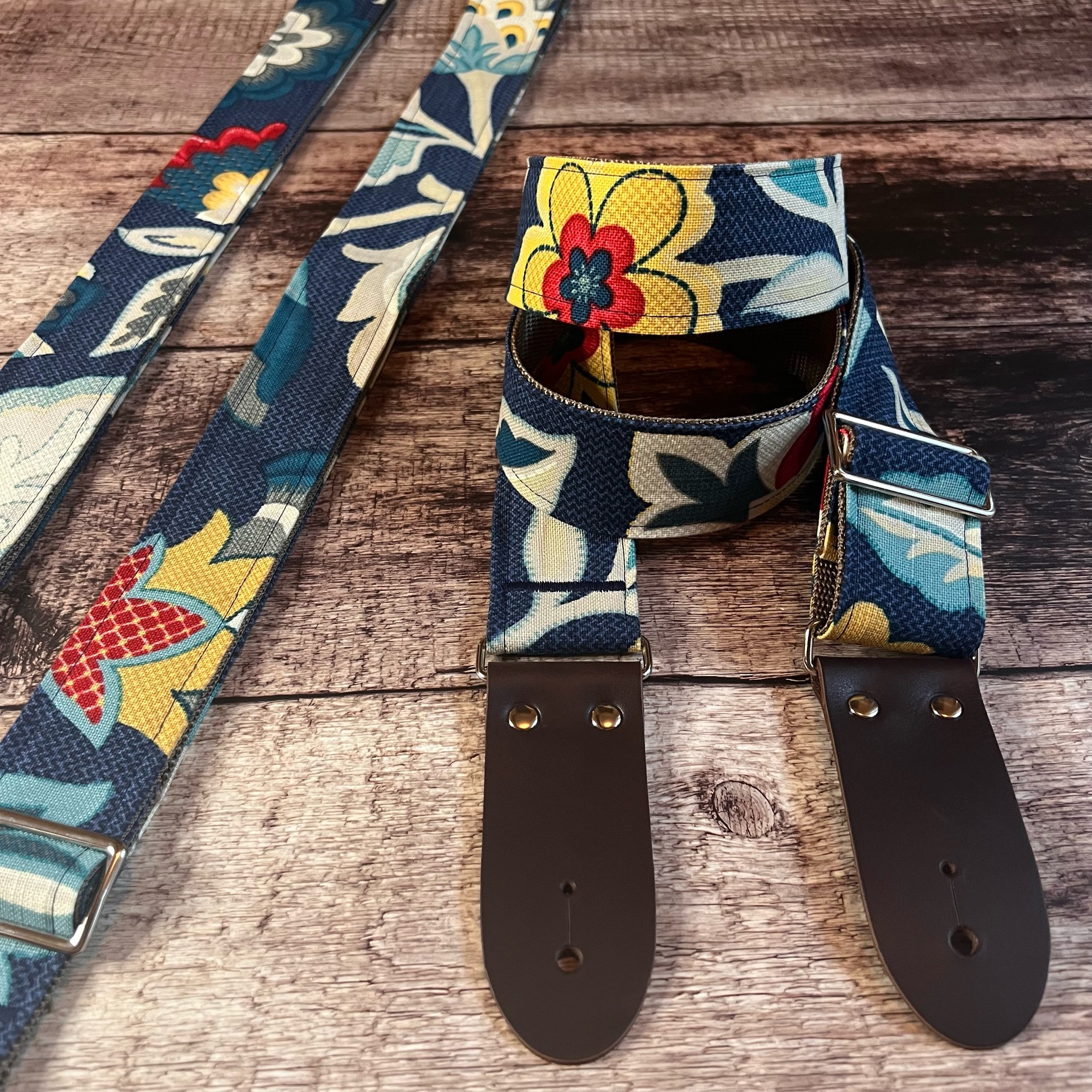
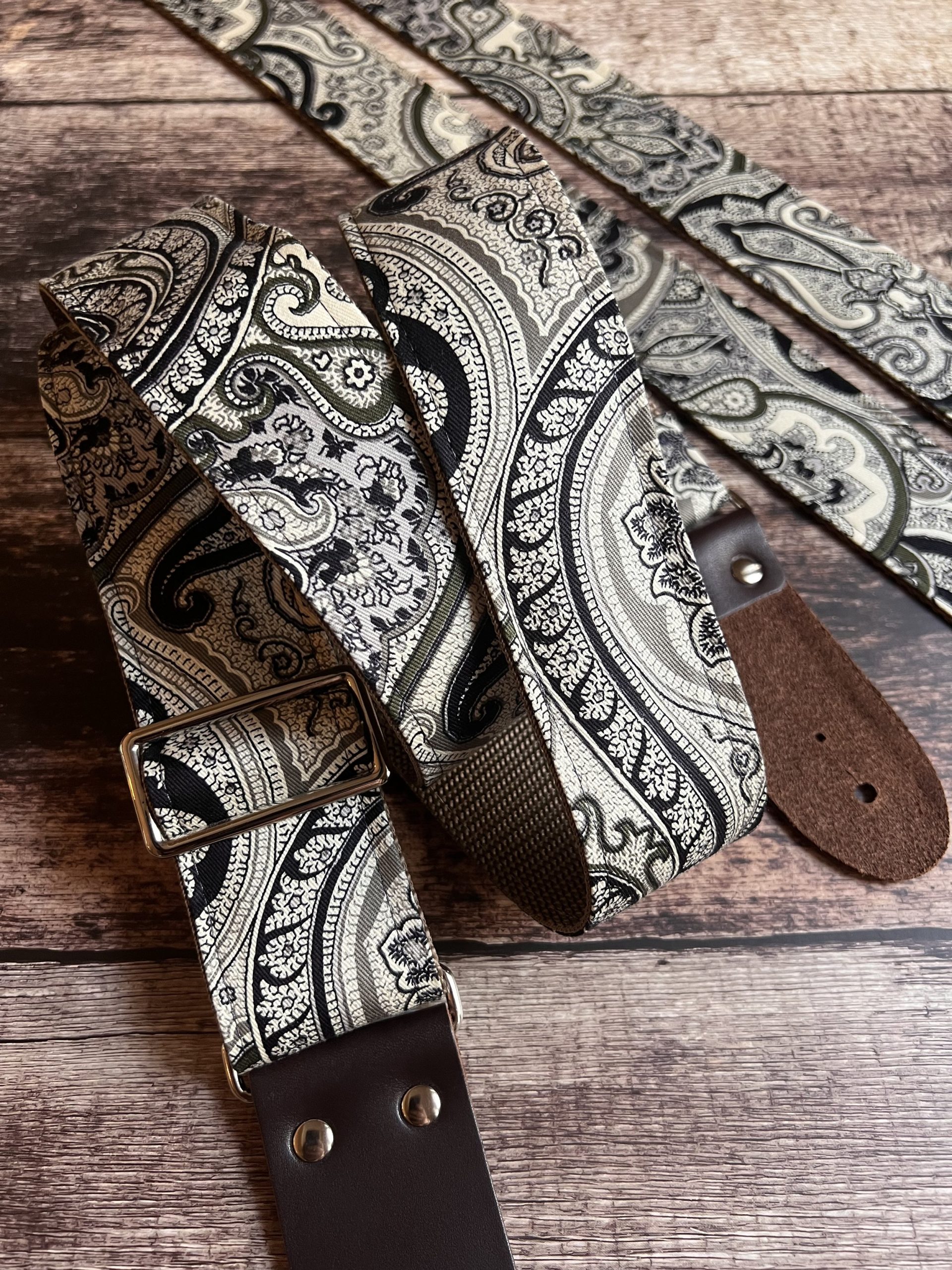
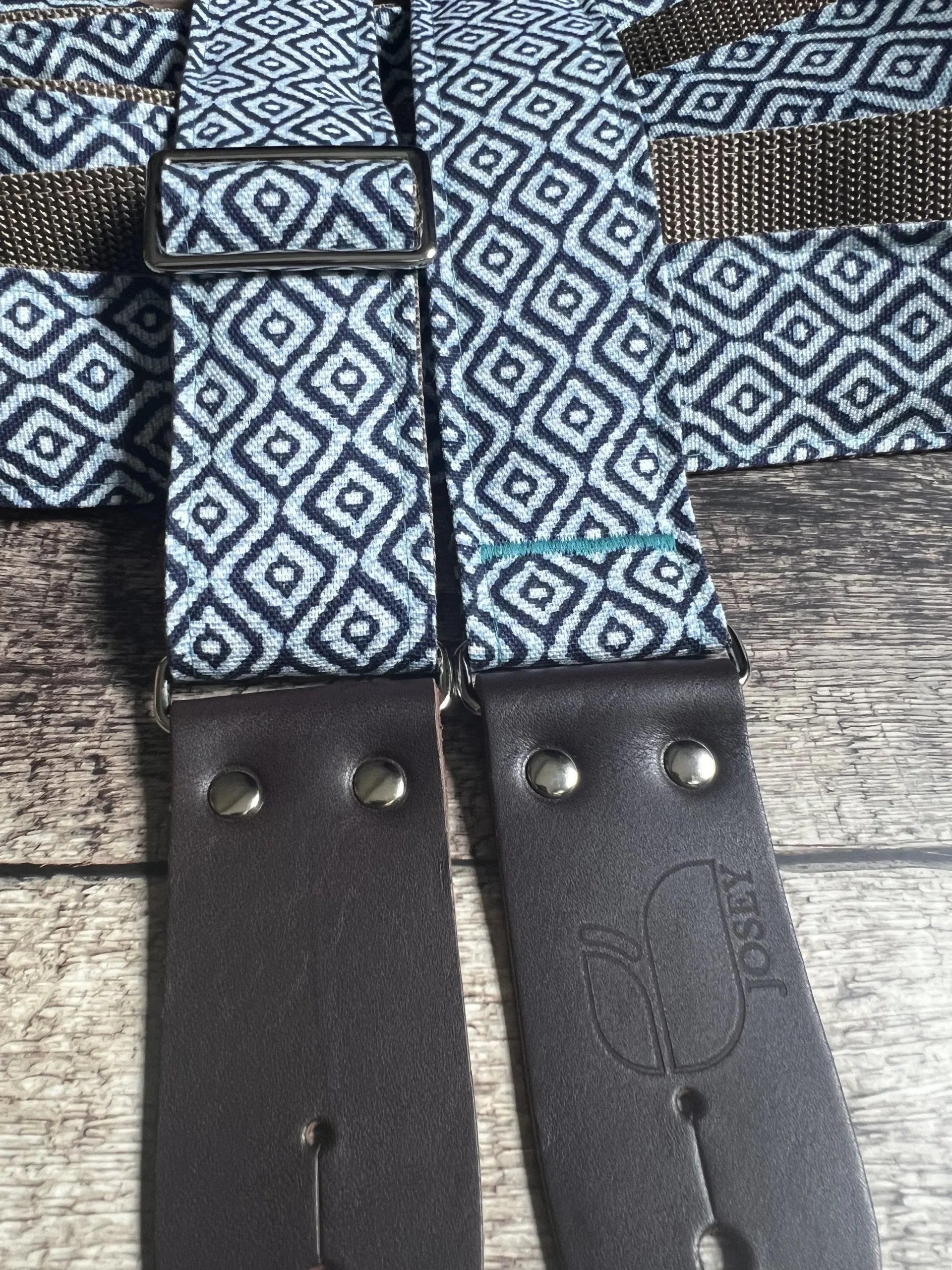
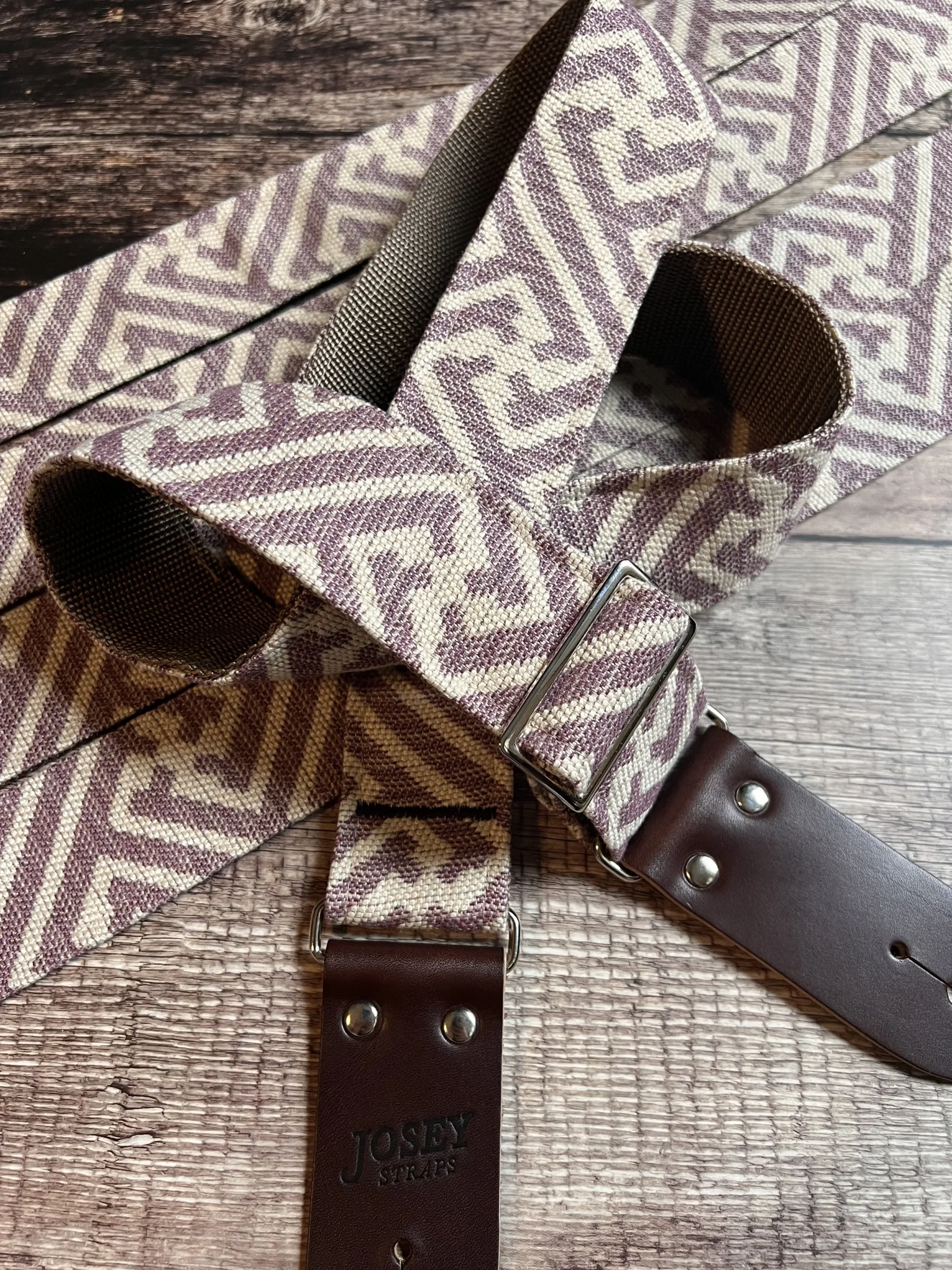
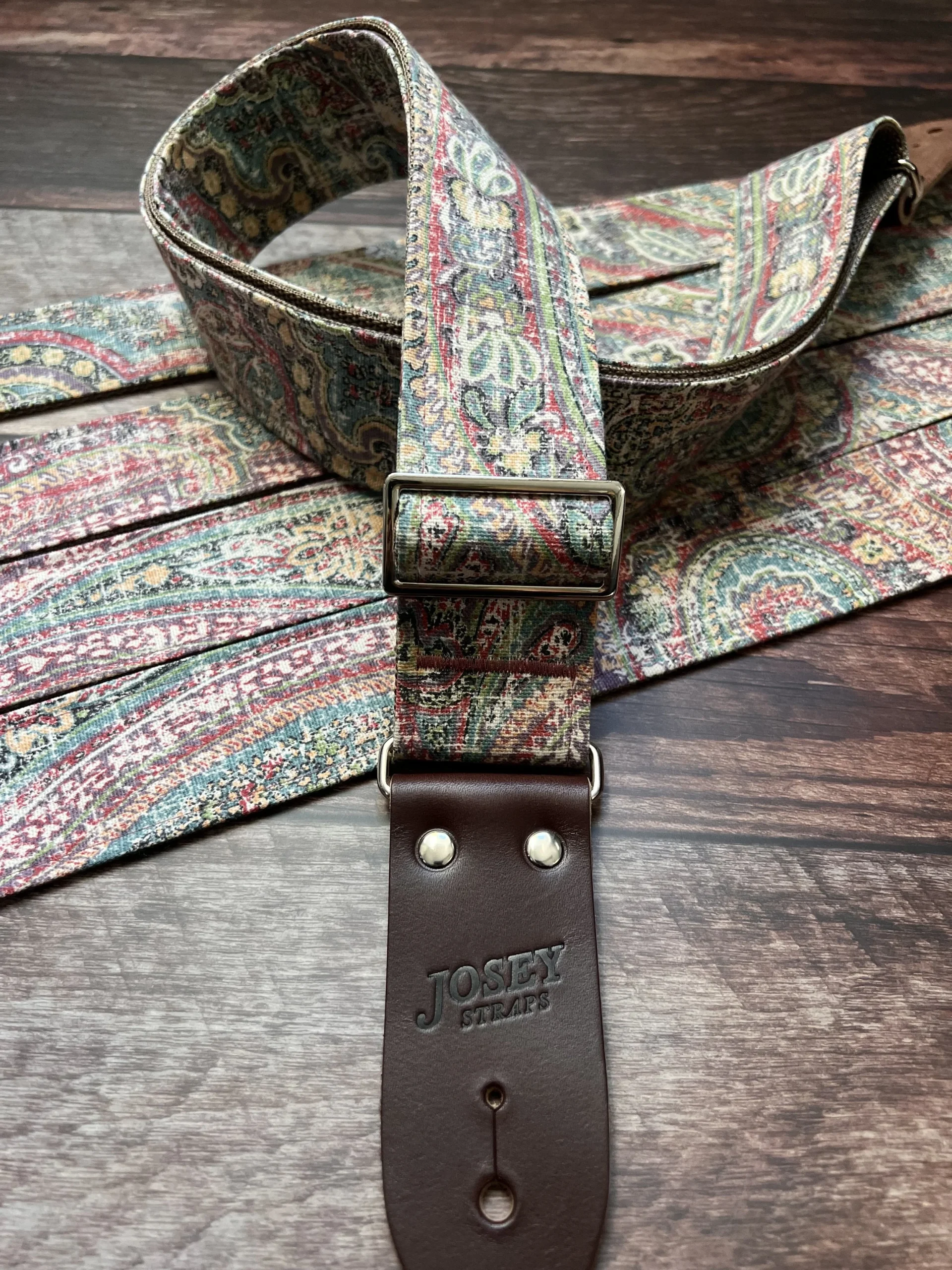
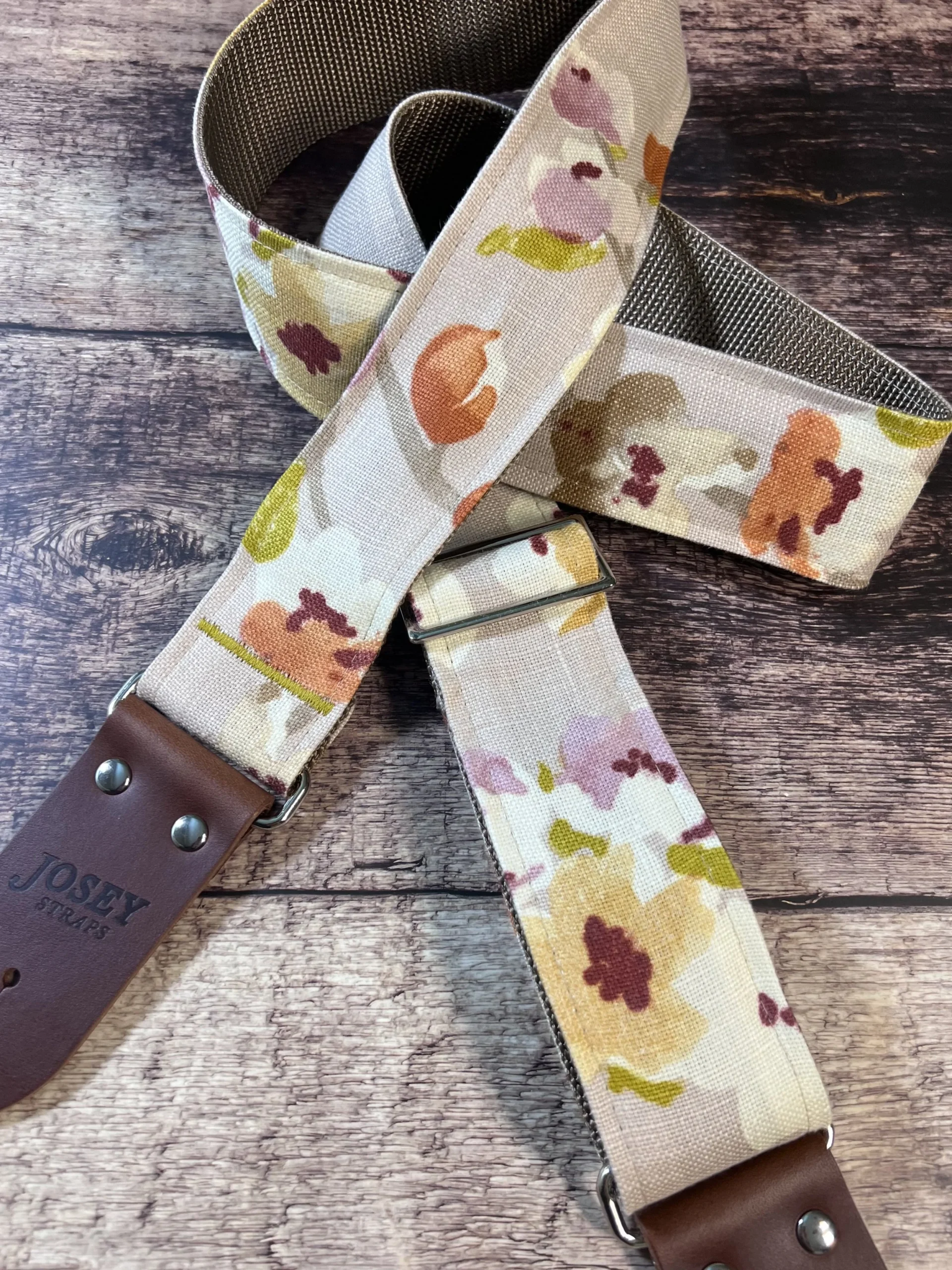
Our approach
The right strap should disappear into the music. Think about where the instrument sits, how long you stand, and how much movement you want before comparing materials and widths.
Good to know
Consider instrument weight and session length. Wider straps spread weight; narrower ones feel lighter and less bulky.
Grip and flexibility vary with the strap’s construction. Compare the feel, texture and care needs before choosing.
Often yes, if length and attachment points suit each instrument. Check fit on every guitar before relying on it.
Test the adjusted length, attachment security, and shoulder comfort while standing and moving as you would on stage.
Most straps attach with strap buttons or a tie at the headstock. Check your guitar's attachment points and follow the strap's included instructions.
Consider strap width and padding, adjust length so the guitar sits naturally, and take breaks to reduce strain during longer playing.
Set the length while seated or standing as you normally play, then fine-tune so the guitar sits at a comfortable height for both hands.
Follow the maker's care guidance, keep the strap clean and dry, and inspect attachment points and hardware regularly for wear.